Third-year student Chloe discusses Play: Exploring and Inventing
13 January 2026
Play: Exploring and Inventing is just one of the fascinating modules that students explore as part of their BA (Hons) degree in Early Childhood Education and Care. This module examines the theories behind different types of play and their environments.
In this blog, third-year student Chloe reflects on her experiences with the Play: Exploring and Inventing module, offering insights into how it has shaped her approach and informed her practice as a nanny. Lucy Krebs – Norlander and Deputy Head of Teaching and Learning – also shares the background and objectives of the module, including an overview of its assessment format.

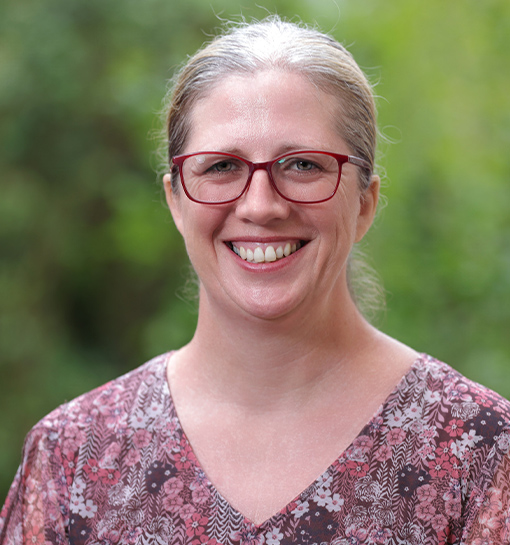
Third-year student, Chloe
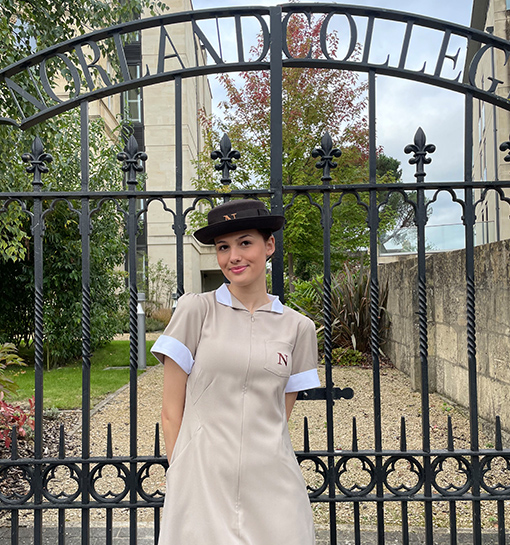
“I am currently in my third year at Norland, and part of Set 147. I am 20 years old and I’m from Bristol. Before Norland, I studied A-Levels in Geography, Sociology and Criminology.
“I took the Play: Exploring and Inventing module last year, during my second year. This module consisted of multiple insights into the theory of child development and how the environment for play can shape a child, their interests and, ultimately, their outcomes. Play is a crucial part of early childhood, enabling children to express themselves and explore their environment. Observing play also enables early years practitioners, such as nannies, to pick up on the child’s interests, which provides opportunities to enhance development and learning. We learned various theories about the play environment from Froebel, Montessori, Steiner, Forest School, Te Whāriki and Reggio Emilia – all pioneers in childcare whose work influences practice all over the world.
“I was most interested by the Reggio Emilia approach put forward by Malaguzzi, which is the idea that the environment reflects the child and the way they express themselves. This pedagogy has influenced my practice as it views children as intelligent individuals who have an active role within constructing their knowledge, which is supported by their environment.
“The Reggio Emilia approach focuses on the child’s environment having open-ended resources, which means they have no set-purpose and the child has the freedom to challenge their curiosity and turn the resource into whatever they desire. Like most pedagogies or theories around education, Reggio Emilia focuses on child independence and allowing the child to work at their own pace. One way to do this is by designing spaces with the child in mind, such as shelves or windows at the child’s height which allow children to access their resources without the need for adult intervention.
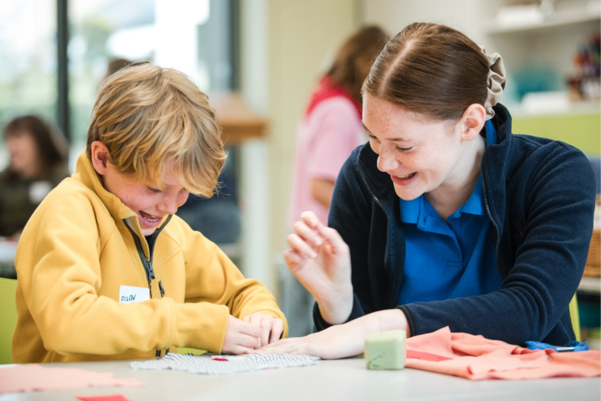
“The approach also emphasises the importance of displaying children’s work in a space so they can reflect on, and be proud of, their creations. The theory behind this is to promote self-esteem and confidence in the child to continue learning. This is something that resonated with me and that I would like to take into my own practice, thinking of ways resources can be used in multiple ways and allowing children more independence in everyday tasks. I have understood through this theory, how getting children involved in tasks such as helping to set up the dinner table or tidy away, allows them to explore the world themselves with me as a practitioner on standby to support and answer any of their questions.
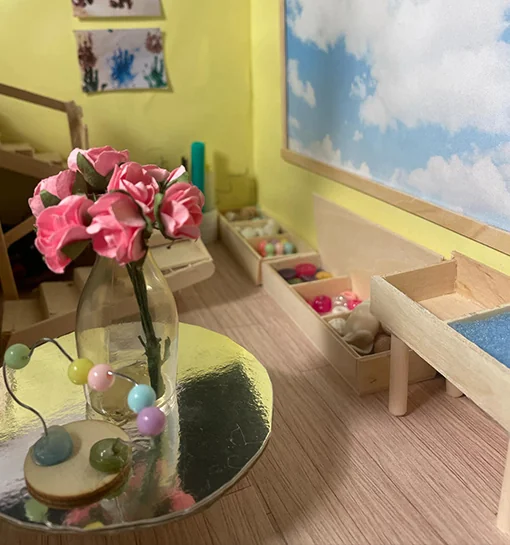
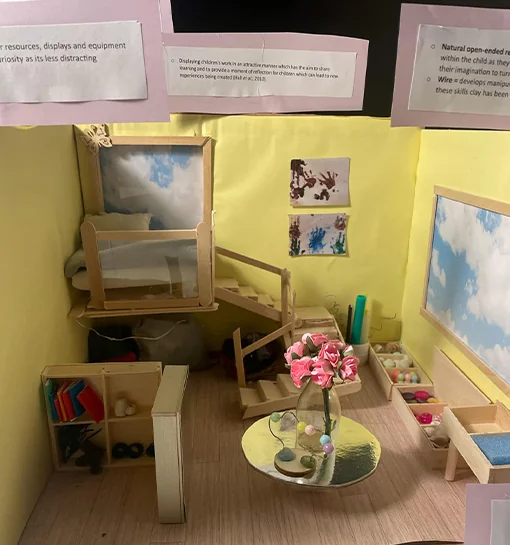
“For the module assessment, we were asked to create a model or poster of a home learning environment inspired by a specific approach we had learned. I created a 3D model of a Reggio-Emilia inspired home environment, which consisted of calm and neutral colours, open-ended resources and lots of space for the child to be themselves to explore through play. I then presented my model to two members of the lecturing team and explored the dynamic of my environment, talking through the role of the adult and highlighting the resources I had chosen that aligned with the Reggio-Emilia approach. As someone who is not usually confident at presentations, I really enjoyed presenting this model as I was extremely interested in it and the lecturers were also engaged, and because I could interact with the model.
“My takeaways from this module continue to influence my practice in multiple ways, both on placement and in my work alongside my studies. I have learnt the importance of independence for the child while still understanding the important role I play as an early years practitioner in the child’s development by creating an enriching environment for them to explore.”
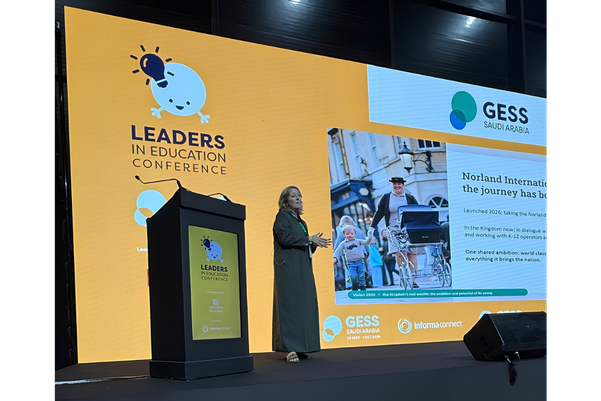
Norlander and Deputy Head of Teaching and Learning Lucy Krebs:
“When designing the Play: Exploring and Inventing module, we wanted to look at theory and pedagogy applied in the home environment. While nurseries and schools are controlled environments designed specifically for children, at home the play space will often have multiple purposes, which means wholesale application of pedagogical principles is not always possible.
“The assessment, to design a model or poster illustrating home environments inspired by different theories of play, provides an opportunity to think critically about the opportunities and barriers posed within the home environment, and places value on the nanny’s dual roles of carer and educator. It is also a great opportunity to students to be creative.
“The format of a 10-minute presentation is an opportunity to practise how, as a nanny, they might justify decisions made to their future employers – though it is fair to say this can be a little nerve-wracking! As Chloe mentioned, for this module she designed a Reggio Emilia-inspired bedroom: effectively explaining which elements of this theory could be upheld in the space and justifying what needed to be left out practically.”
Learn more about our degree modules